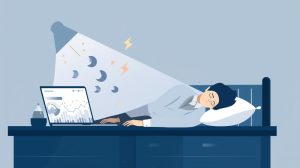
Sleep Optimization for Busy Professionals: How to Rest Smarter, Not Longer

Sleep Optimization

In a world that applauds busyness, sleep often becomes negotiable. But science now shows that smarter rest — not simply more hours — is what sustains creativity, decision-making, and resilience. This article translates recent research into practical, motivational steps any busy professional can use to get more mileage from their sleep without radically restructuring life. Read More : Business Degree Jobs You Can Do Remotely: The Rise of Virtual Career Opportunities
Why Sleep Optimization matters for performance

Sleep Optimization isn’t a luxury — it’s a productivity tool. Controlled studies show that even modest sleep restriction harms memory consolidation and learning, which are exactly the mental muscles high-performing professionals rely on. Framing sleep as strategic time for the brain to prepare, not idle time to be trimmed, changes how you plan your day and your energy. ScienceDirect. Read More : Current Business Trends: How Technology is Transforming Industry Landscapes
Build a routine around your biology

The simplest wins come from aligning sleep with your circadian rhythm. Consistency — going to bed and waking at roughly the same times — anchors your internal clock and improves sleep quality faster than sporadically adding an hour here or there. For busy people, a consistent rhythm makes waking easier, sharpens attention during meetings, and reduces the “brain fog” that kills productivity later in the day. Employer-led interventions and organizational scheduling that respect circadian timing have been shown to improve worker alertness and safety. JCSM. Read More : Digital Transformation in 2024: How a Financial Institution Can Stay Competitive
Practical Sleep Optimization tips for busy schedules

- Prioritize a wind-down: 30–60 minutes before bed, shift to low-stimulation activities (reading, light stretching, breathing exercises) and dim the lights. This signals your brain that it’s time downshift.
- Use strategic naps: Short naps (10–30 minutes) can restore alertness and boost memory encoding without causing sleep inertia; when time allows, a 60–90 minute nap can also support deeper memory consolidation. Timing and length matter — aim for early afternoon when possible. OUP Academic+1
- Manage light exposure: Bright morning light helps wake you; minimize screens and blue light in the hour before bed to encourage melatonin release.
- Time caffeine: Use caffeine early in the day and avoid it within 6–8 hours of bedtime to protect sleep onset and depth.
These small, disciplined moves are the core of Sleep Optimization for people who can’t nap at will or rearrange their whole week.
Use targeted sleep hygiene — not perfectionism

Sleep hygiene isn’t a checklist that requires perfection; it’s a toolkit. Clean, cool, and quiet sleeping environments are non-negotiable. If you travel or work late, portable fixes (white-noise apps, an eye mask, earplugs) maintain quality. Mindfulness, brief meditation, and breathing practices show promise in improving sleep quality and lowering stress — useful tools for professionals balancing heavy cognitive load. MDPI. Read More : Healthy Food Meal Plan: Meals for a Fit Body and Clear Mind
When to be cautious: trends that sound clever but can backfire

Not every hack is healthy. Polyphasic schedules and extreme “every-sleep-as-productivity” routines promise more waking hours but conflict with circadian biology and can impair cognition and health over time. Most evidence favors consolidated nightly sleep plus occasional short naps for sustained performance and wellbeing. Treat experimental patterns with skepticism and prioritize sustainable changes. Verywell Health+1
Small experiments, big returns

The best approach to Sleep Optimization is iterative: pick one change (consistent wake time, 20-minute nap, screen curfew), test it for two weeks, and track subjective energy, focus, and mood. Keep what works and layer another change. Many professionals find that modest, consistent tweaks produce outsized gains in creativity and daily stamina.
Make sleep part of your professional strategy

Reframe sleep from “time lost” to “time invested.” Leaders who model healthy sleep habits create teams that perform more consistently and make better decisions under pressure. When organizations invest in schedules and cultures that respect rest, both human wellbeing and output improve. Read More : Why Startups Are Turning to Financial Data Analytics Now